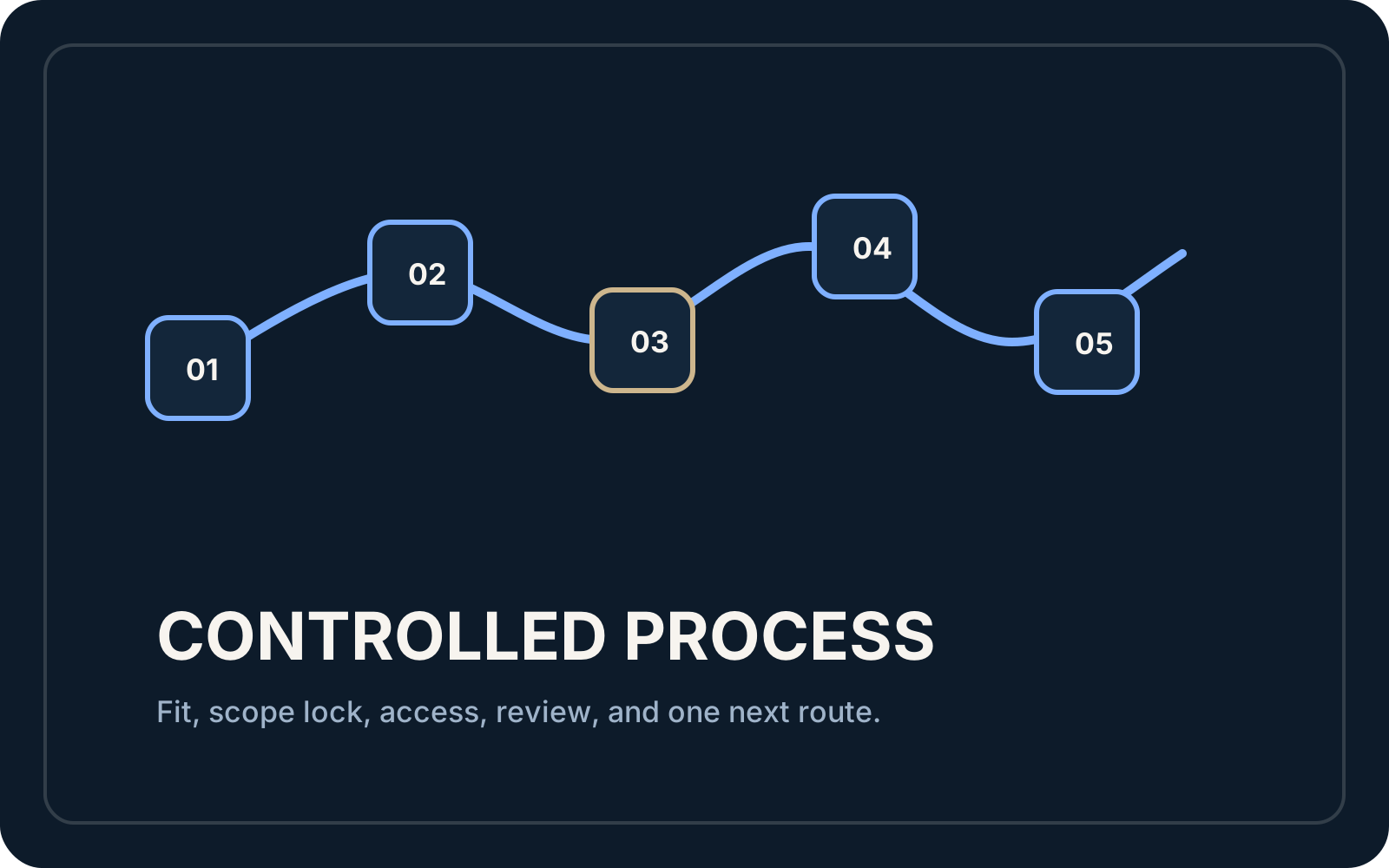
See the pack shape before you share anything sensitive.
This public sample shows the structure, evidence discipline, and redaction posture of a Statepath deliverable without exposing client names, private screenshots, or invented proof.
Public sample only // structure shown // live client detail removed
A credible sample feels like a trimmed decision object. It lets the buyer inspect the structure without pretending public proof can replace private client work.
Module 01
First-read answer
The opening page states what was reviewed, what is already clear, what still needs caution, and what the next move should be.
The supporting surfaces and contradiction notes remain inspectable instead of disappearing behind a glossy summary.
Ledger rows
surfacecontradictionevidencedecision weight
Module 03
Truth map and risk notes
The pack separates confirmed, partial, blocked, and cautionary material so the route does not overclaim.
Status split
confirmedpartialblockedcaution
Module 04
One bounded next route
The closing route states what to do next, what should wait, and why that order is safer.
Route logic
Do next // hold // explain why now
The premium value is not a louder verdict. It is a calmer pack that makes the current state readable enough to choose the next move on purpose.
Public dossier preview
A believable sample should feel like a decision pack, not a marketing page.
This object shows the minimum public anatomy: first-read summary, evidence ledger, truth map, risk edge, and one bounded next route.
Statepath dossier
Truth Audit + Next Route Pack // safe public sample
Pack ID // SAMPLE-SP-TRUTH-001Classification // public preview
First-read summary
The short answer a buyer should reach in the first minute.
This pack opens by stating the decision in plain English: what was reviewed, where trust broke down, what is already proven, what remains blocked, and what should happen next.
[Sample structure only — project names, internal screenshots, and raw exports removed.]
Truth map
Confirmed
What the agreed surfaces prove directly.
Partial
What is directionally visible but still incomplete.
Blocked
What cannot be verified from current access or evidence.
Caution
What looks material enough to shape the next decision.
Evidence ledger
Entry 01Agreed surface register
[Redacted proof excerpt showing repo, docs, and deployment surfaces reviewed.]
Entry 02Contradiction or blocker note
[Placeholder risk note showing where stated behaviour and observed reality stop lining up.]
Entry 03Decision-weighted evidence
[Representative excerpt showing why one next route beats wider guesswork.]
Risk edge
Enough caution to stop the next wrong move.
The pack names the few risks that would most distort the decision if they were hidden or softened for comfort.
where confidence is high enough to act
where the evidence is still partial or blocked
what would make a wider rescue premature
One bounded next route
Finish with one prioritised move, not a wider fog of options.
The real value of the pack is that it closes with one defensible next route and the reasoning for why it wins over the obvious alternatives.
decision statement
main rationale
what stays outside the audit boundary
Public sample boundary // structure shown // live client detail, credentials, metrics, and sensitive implementation material removed.
Shown publicly vs kept redacted
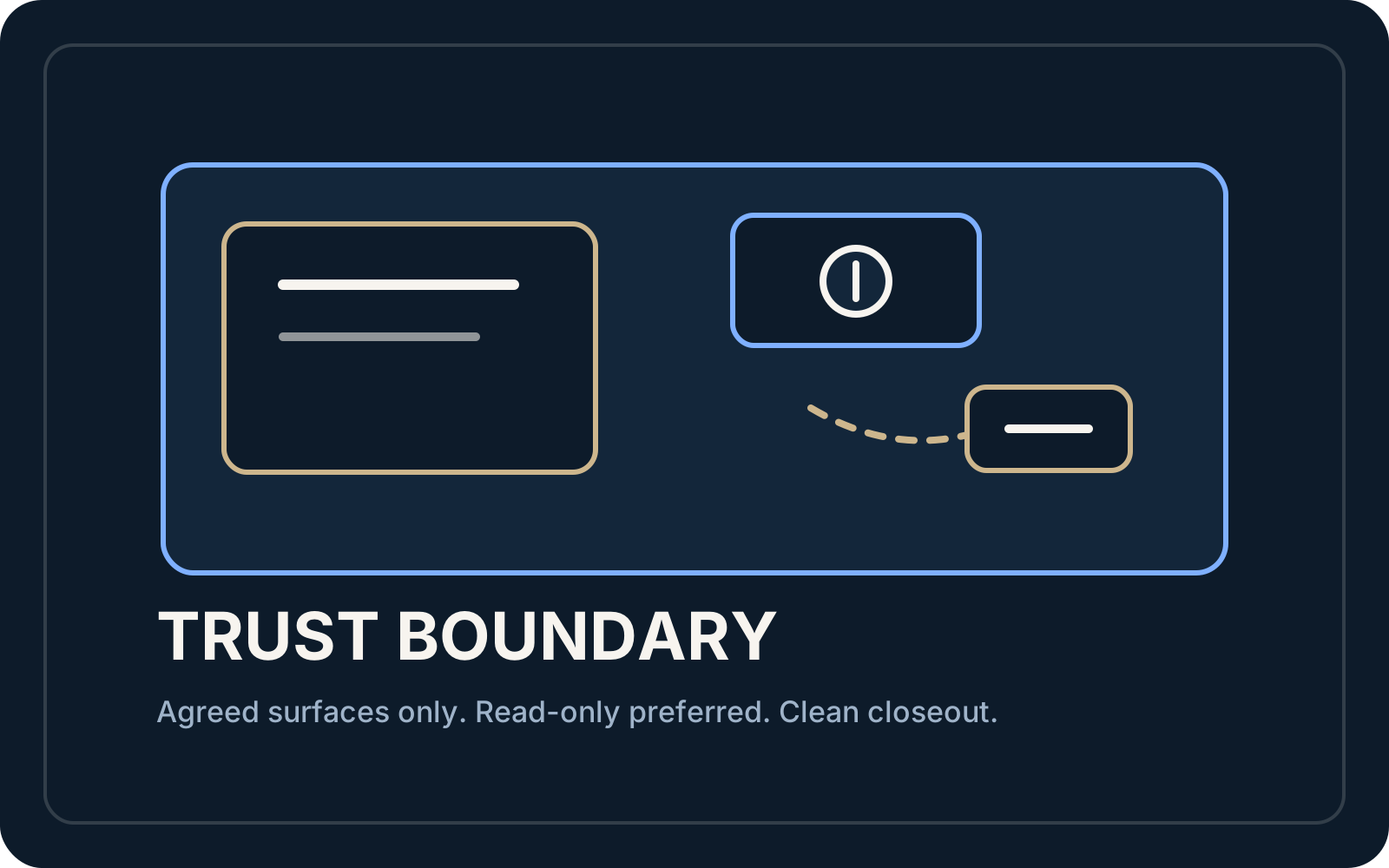
Restraint is part of the trust model.
This sample should prove how Statepath works without stretching private success into public theatre.
Shown publicly
What the sample can safely demonstrate
the pack structure and reading order
the truth-label system and evidence discipline
anonymous or clearly placeholder fragments
the bounded recommendation format and audit boundary
Kept redacted
What stays out of the public sample
client names, logos, testimonials, and private screenshots
repo identifiers, credentials, and live operational detail
fabricated metrics or proof-by-performance claims
sensitive weaknesses that should never become public marketing material
A strong public sample makes the redaction boundary visible. It does not hide it, apologise for it, or quietly invent around it.
Proof restrictions
Permission and redaction rules are part of the trust model.
Statepath should not imply public permission from private success. The sample must stay safer than the temptation to over-prove.
What may be shown publicly
safe fictional, internal non-client, or permission-cleared material
anonymous or redacted structural examples
the shape of the pack and its decision logic
non-identifiable screenshots only if permission is actually recorded
What will not be shown without permission
testimonials, quotes, logos, or named-client details
identifiable screenshots or confidential exports
claims that imply broad implementation capacity the proof does not support
public proof created by stretching a private success into a public story
This page shows structure, redaction discipline, and proof restraint. It does not claim public client permission where none is recorded clearly enough to defend.
Next step
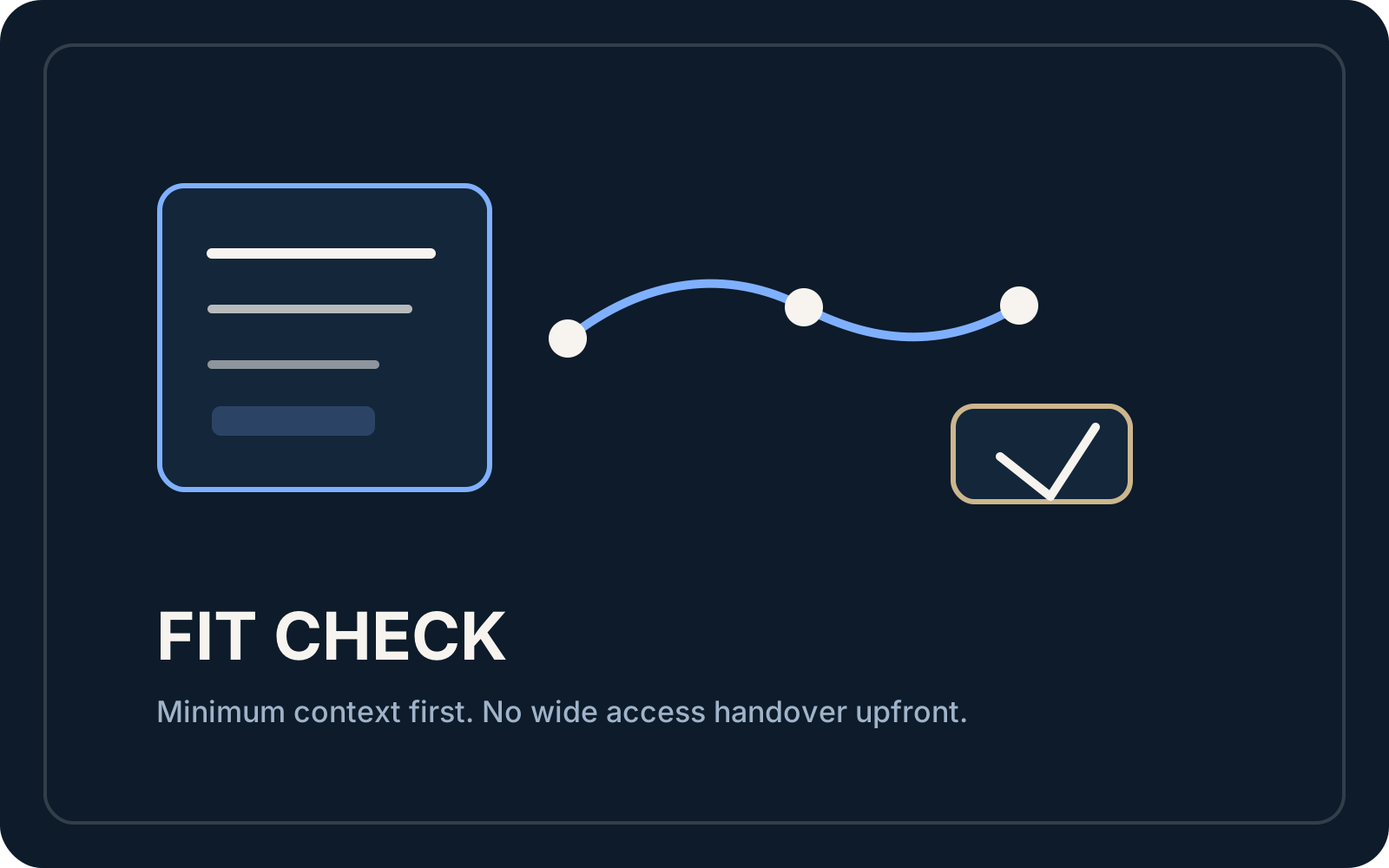
If the sample shape feels right, the next question is fit, trust, and working boundary.
Use the linked pages to judge whether the route itself fits before any access or detailed scope discussion starts.